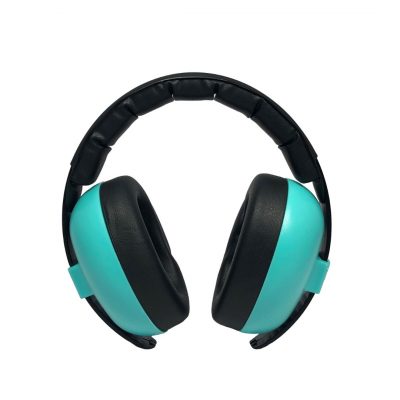
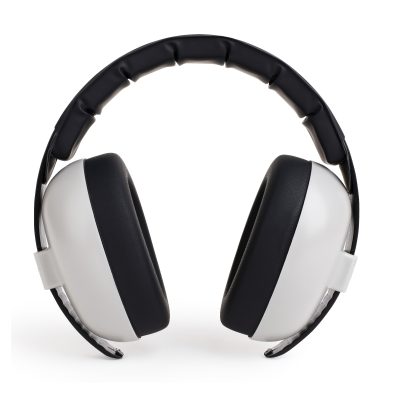
All Banz earmuffs feature Class 4 protection; this is only one rating less than industrial-strength earmuffs worn in workplaces. A big Class 4 rating gives excellent protection for kids’ hearing.
Banz Earmuffs meet the following international standards:
- AS/NZS 1270:2002 – the Australian and New Zealand safety standard for earmuffs – Class 4. Under this standard, the class is an easy way to choose a hearing protector appropriate to a noise exposure. The standard rates hearing protection into five classes, with Class 1 being the lowest level of protection and Class 5 being the highest level.
- ANSI S3.19 – S3.19 is the standard introduced by the American standards body ANSI to regulate hearing protection devices; Banz earmuffs meet this standard, as well as
- EN352-1: 1993 – the European Standard for hearing protection and hearing protectors. Banz earmuffs also carry the CE mark (which stands for Conformité Européene, and means they conform to European standards).
A word about ‘noise-cancelling’ earmuffs
Banz earmuffs are often referred to online as ‘noise-cancelling’ earmuffs. However, this isn’t correct – Banz earmuffs do their job by reducing loud, damaging noise to a safe level. There’s a very practical reason for this – the designers of Banz earmuffs know that if you need to get your child’s attention urgently, and they couldn’t hear you, it would be dangerous. Also, putting babies and children into a ‘cone of silence’ would be upsetting, especially to very young ones.
Quiet sounds, such as speech, can still be heard when wearing Banz earmuffs. So don’t let the kids fool you by saying they can’t hear you while wearing their Banz earmuffs!
Heard about it? Earmuffs specs demystified
Banz earmuffs have these specifications:
- Weight: 142 grams
- Single Noise Ratio (SNR): 26 dB (decibels)
- Noise Reduction Rating (NRR): 31 dB
- Mean Attenuation @ 500 Hz (hertz): 25.7dB
- Mean Attentuation @ 1000Hz: 35.2dB
Decibels (dB) – are a unit of measurement for sound density.
Single Noise Ratio (SNR) – the SNR can be used to compare the level of noise attenuation [or damping] offered by different hearing protectors.
Noise Reduction Rating (NRR) – provides an estimate of the protection of a given device.
In brief, an NRR or SNR rating indicates the level that a noise can be reduced to by wearing a hearing protection device. Banz earmuffs feature one of the best ratings for baby and children’s earmuffs available in New Zealand.
Attenuation – is the damping of sound, which diminishes the volume and quality of the sound wave.
Mean attenuation– or average damping – is noted at different sound levels, as above.
Safety standards aren’t the most scintillating subject, but it is an important one when it comes to feeling comfortable about the products you put on your kids. An informed buyer makes a powerful personal choice and, at Banz Carewear, it’s important to us that our customers know they’re getting the best.
This blog is compliments from our Baby Banz New Zealand